
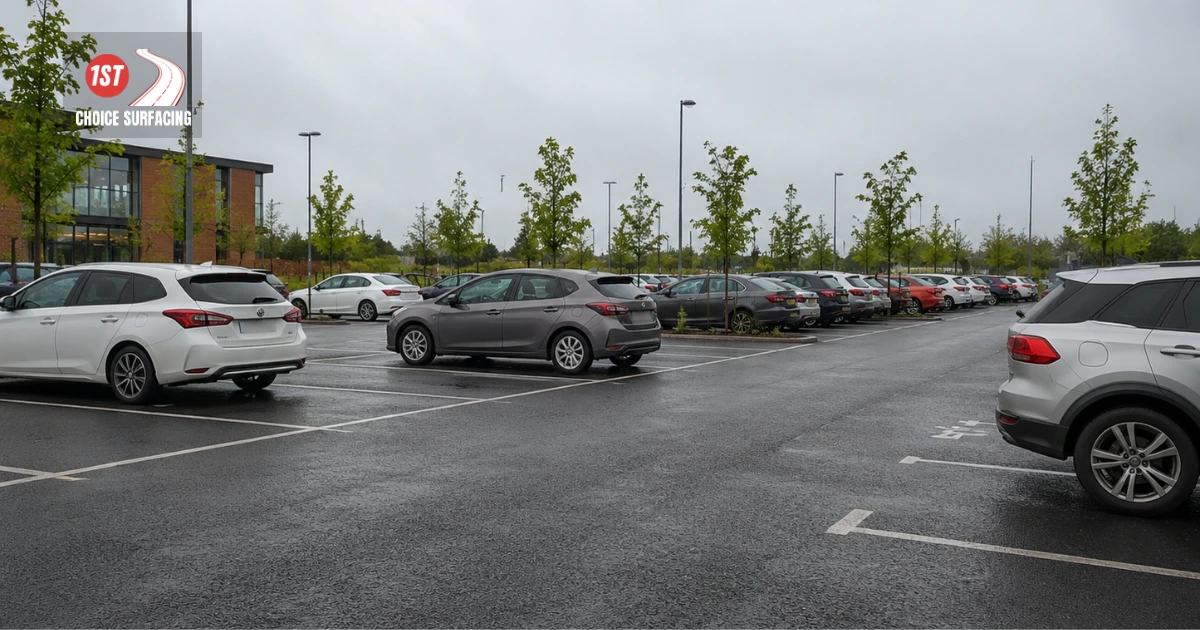
Long before a customer walks through your front door, they’ve already formed an opinion about your business — usually somewhere between the entrance and the parking space, depending on how many potholes they had to dodge along the way. A smooth, well-kept surface tells people you look after the details. A cracked, puddled, weed-strewn one tells them the opposite, whether that’s fair or not.
Ask ten contractors which car park surface is “best” and you’ll probably get ten slightly different answers and to be fair, none of them are wrong. What works brilliantly for a busy retail park in Leeds could be completely the wrong call for a quiet rural office, or a yard where lorries are rolling in and out all day. So rather than push you towards one answer, we’ve laid out the main options honestly, warts and all, along with the type of business each one tends to suit.
What to Consider Before Choosing a Car Park Surface
Before you fall for a finish just because it looks smart in a photo, it’s worth pausing on how the space actually gets used day to day. How many vehicles cross it and how heavy are they? Mostly staff cars, or the odd delivery lorry too? What’s the ground like underneath and where does the rainwater go once it lands? Budget matters too and not just the install cost; think about what you’ll be spending to keep it looking decent in ten or fifteen years’ time. And don’t write off appearance as superficial — a tidy resin finish sends a different message to visitors than a patch of loose stone, even if both technically get the job done.
Gravel Car Parks
Gravel is the old faithful of UK car parks — the kind of surface a lot of us grew up parking on outside village halls and country pubs. It’s cheap, it’s simple and for the right site, that’s exactly enough.
Pros of gravel car parks
- One of the cheapest surfaces to lay
- Naturally permeable, so rain drains straight through
- Quick to install and simple to patch
Cons of gravel car parks
- Stones shift and rut under regular traffic
- Awkward for wheelchairs, prams and high heels
- Needs raking and topping up to stay presentable
Best for which businesses
Gravel suits rural sites, overflow parking, seasonal venues and any business where the car park sees occasional rather than daily heavy use.
Tarmac Car Parks
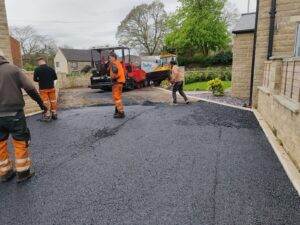
If gravel is the old faithful, tarmac is the reliable workhorse. It’s still the default choice for thousands of UK businesses, simply because it strikes a fair balance between cost and performance.
Pros of tarmac car parks
- Cost-effective, even across large areas
- Fast to install with minimal site disruption
- Smooth, familiar finish that suits most settings
Cons of tarmac car parks
- Can soften slightly during a heatwave
- Needs resealing every few years to stay watertight
- Less eco-friendly than some newer alternatives
Best for which businesses
Tarmac surfacing works well for offices, retail units, schools and anywhere with steady everyday traffic rather than constant heavy vehicles.
Asphalt Car Parks
People throw “tarmac” and “asphalt” around as if they’re the same thing and honestly, in everyday conversation it doesn’t matter much. But asphalt is the tougher cousin, mixed with a binder that’s built to take heavier loads without flinching.
Pros of asphalt car parks
- Stronger load-bearing capacity than standard tarmac
- Stands up well to HGVs and constant traffic
- Long service life when properly maintained
Cons of asphalt car parks
- Generally costs more than tarmac to install
- Needs warmer conditions and specialist plant to lay correctly
- Busiest routes still need periodic resurfacing
Best for which businesses
Asphalt surfacing is the right call for industrial estates, warehouses, haulage yards and anywhere forklifts or delivery trucks are part of daily life.
Concrete Car Parks
When longevity trumps everything else on the brief, concrete is genuinely hard to beat — it’s the option you choose when you don’t want to think about your car park again for thirty years.
Pros of concrete car parks
- Extremely durable, often lasting 25 to 30 years
- Copes with heavy static loads without rutting
- Doesn't soften in hot weather the way tarmac can
Cons of concrete car parks
- Higher upfront cost than tarmac or asphalt
- Longer curing time before it can take traffic
- Cracks are trickier and pricier to repair neatly
Best for which businesses
Concrete surfacing is a strong fit for industrial premises, loading bays and car parks expected to carry serious weight for decades with minimal fuss.
Resin-Bound Car Parks
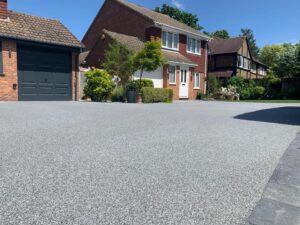
Resin-bound surfacing has quietly become the go-to for businesses that want their car park to do more than just function — they want it to actually look like part of the brand.
Pros of resin-bound car parks
- Attractive, smooth finish in a wide range of colours
- Naturally permeable, helping with drainage compliance
- Low maintenance, with strong resistance to weeds and cracking
Cons of resin-bound car parks
- Costs more upfront than tarmac or gravel
- Needs an experienced, properly trained installer
- Not always the best choice for the very heaviest loads
Best for which businesses
Resin-bound surfacing suits retail parks, hotels, offices and healthcare sites — anywhere a business wants its car park to reflect well on the brand.
Permeable Surfaces and Drainage
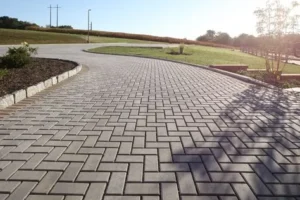
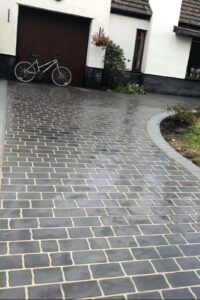
Drainage is not really an afterthought anymore — on plenty of projects, it’s a planning condition you can’t dodge. Sustainable drainage rules mean a lot of new or resurfaced car parks now need to manage rainwater on-site instead of sending it straight into the sewer. Resin-bound surfacing, permeable tarmac, gravel and certain block paving layouts all let water soak through rather than sit on top. Get it wrong and you’re looking at standing water, ice in winter and possibly a planning objection further down the line.
Cost vs Long-Term Value
It’s tempting to just go with whatever costs least upfront and we get why. But that figure rarely tells the full story. Gravel and tarmac are cheaper to install, often somewhere between £25 and £70 per square metre, but they tend to need attention sooner rather than later. Concrete and resin-bound surfaces cost more from day one, usually £40 to £100 per square metre, yet they need far less fussing over and last considerably longer. The smarter question isn’t “what’s cheapest today,” but “what does this actually cost me over fifteen years,” once you’ve factored in repairs, resurfacing and the hassle of disruption.
Which Surface Is Best for Different Business Types?
If you want the short version, here’s roughly how it tends to shake out across different kinds of premises.
Retail Units
Customers clock the small stuff before they’ve even reached your front door, so retail car parks tend to do best with resin-bound surfacing or a smartly laid tarmac finish. Both stay smooth underfoot for trolleys and prams, look the part, and hold up fine against the steady daily footfall and car traffic most retail sites see.
Office Car Parks
Office sites are mostly about getting people in and out safely, day after day, without much drama. A well-laid tarmac or resin-bound surface usually ticks every box here — low maintenance, easy to keep accessible, and smart enough to leave a decent first impression on visiting clients.
Industrial Sites
This is where asphalt and concrete earn their keep. Warehouses, haulage yards, and industrial estates need a surface that can take constant heavy traffic, forklifts, and the odd HGV without buckling, and neither standard tarmac nor resin-bound is really built for that kind of daily punishment.
Hospitality and Leisure Sites
Hotels, restaurants, pubs, and leisure venues live and die a bit on first impressions, so resin-bound is often the surface of choice here — smart, slip-resistant, and a cut above standard tarmac for anywhere guests are arriving in their good shoes. Where budget’s tighter or footfall’s lower, a quality tarmac finish still does a perfectly respectable job.
Why Choose 1st Choice Surfacing?
We’ve been laying and repairing commercial car parks across West Yorkshire, Leeds, Bradford, Harrogate and Manchester among them, for years, and we’ll be straight with you: we don’t push whichever material happens to suit us best. We talk through your traffic, budget and drainage needs first, then recommend whatever genuinely fits, whether that’s tarmac, asphalt, concrete, or resin bound. Every job is carried out by a fully accredited team to current safety and drainage standards, with free, no-obligation quotes and 24/7 support for urgent repairs. Tell us what’s going on with your car park and we’ll give you a straight answer, even if that answer turns out to be “honestly, gravel will do.”
FAQs:
What's the cheapest car park surface for a business?
Gravel, hands down, with tarmac running it a close second. But don’t pick on price alone, gravel needs raking and topping up more often than people expect and tarmac usually wants resealing within a few years. We’ve lost count of the times “cheapest now” has turned into “priciest over five years” once you tally up the patch-ups.
What's the actual difference between tarmac and asphalt?
Honestly, most people use the words interchangeably and nobody really minds. But there is a genuine difference — tarmac is bound with tar, asphalt with bitumen and that small swap makes asphalt noticeably tougher under serious weight. If your car park sees forklifts or lorries rolling through daily, that difference starts to matter quite a lot.
How long does each type of car park surface last?
That’s really down to the material and how well it’s looked after. As a rough rule of thumb: tarmac holds up for 10 to 20 years, asphalt a bit longer under heavy use, resin-bound around 15 years and concrete can comfortably outlast the lot at 25 to 30 years. Gravel’s the odd one out, expect to be topping it up long before any of these need touching.
Do I need permeable surfacing for a new or resurfaced car park?
Quite possibly, yes. Put in a brand-new car park, or resurface a decent-sized chunk of an old one and sustainable drainage rules can kick in, especially where planning permission’s involved. The good news is there are options, permeable tarmac, resin-bound and certain block paving setups all let water soak away naturally instead of pooling on top.
How much does it cost to resurface a commercial car park?
There’s no single number we can throw at you here, since it comes down to the material, the size of the site and what state the ground’s in underneath. As a ballpark, tarmac starts from around £25 to £40 per square metre, resin-bound sits between £40 and £80 and concrete runs from £50 upwards. The only number worth trusting is the one you get after someone’s actually been out to look at the site.
Which car park surface is best for HGVs or heavy forklift traffic?
Asphalt or concrete, every time. Both are built to take a hammering from constant weight without rutting or cracking underneath it. Tarmac will cope fine with the odd lorry here and there, but put it under daily HGV traffic and it’ll wear through faster than either of the other two.
How long does it take to resurface a car park?
A day or two is fairly typical for a small site. Bigger commercial car parks can run into a week or more, particularly if the old surface has to come out first. Weather plays its part too, which is partly why we tend to plan jobs around your opening hours, so you’re not losing trade while we’re getting on with it.
Conclusion
There’s no single car park surface that’s right for every business, only the one that’s right for yours, based on your traffic, your budget and the impression you want to leave on anyone driving in. If you’re weighing up the options and fancy a straight answer rather than a sales pitch, get in touch for a free site assessment. We’ll tell you what will actually work for your car park, not just whatever’s easiest for us to quote.