
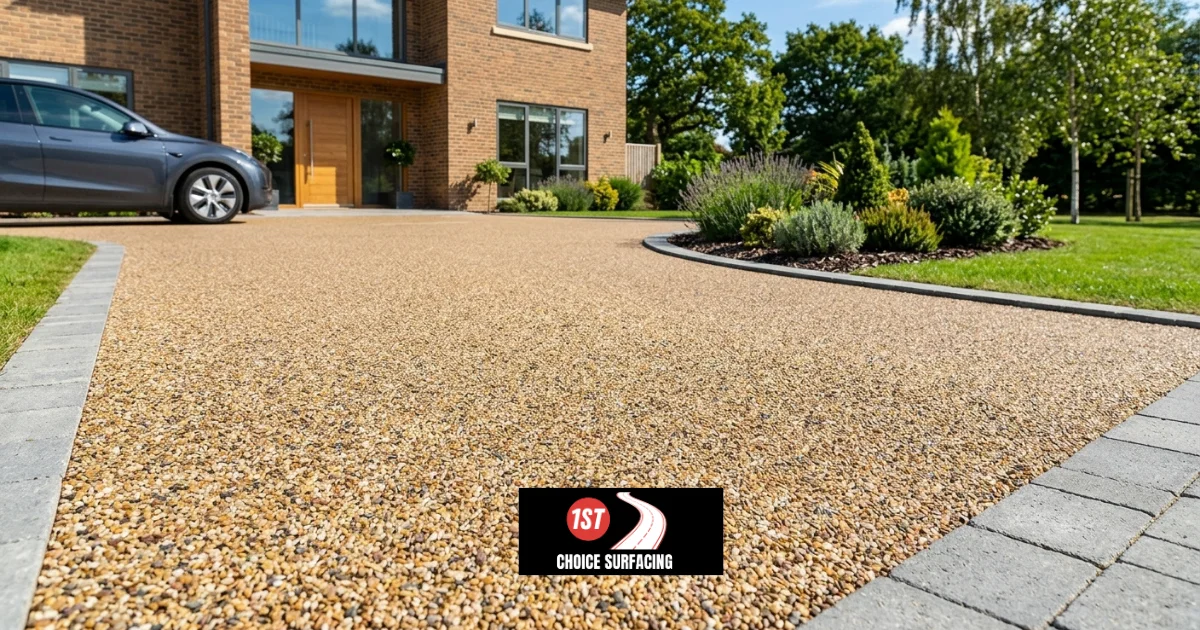
Ask ten homeowners what they think of resin driveways and you will probably get ten different answers. Some swear by them. Others wish they had chosen something else. The truth sits somewhere in the middle, and it usually depends on one thing: who installed it and what was underneath.
We have fitted hundreds of these driveways at 1st Choice Surfacing, so we have seen the triumphs and the disasters first hand. This guide walks you through both sides honestly, so you can decide with your eyes open rather than finding out the hard way.
What Makes Resin Driveways So Popular?
Not long ago, resin bound surfacing was almost unheard of on UK driveways. Now it turns up everywhere, from suburban semis to brand new estates. The shift happened for a few reasons.
Looks played a big part. There is something about that smooth, seamless finish that photographs beautifully and makes an ordinary front garden look genuinely smart. Gravel scatters, tarmac fades and block paving sinks over time. A well laid resin surface just holds its shape and colour.
The rules helped too. Since tighter regulations came in around permeable surfaces, homeowners have needed driveway options that let rainwater through. Resin does that naturally, which removes a whole planning headache for most people.
Then you have the practical wins. Quick to lay, easy to live with and available in colours to suit pretty much any brickwork. Once people see one in the street, they tend to want one of their own.
Pros Of Resin Driveways
Attractive Appearance
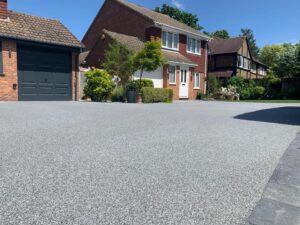
Nothing beats it for first impressions. The stone aggregate is mixed through the resin rather than sitting on top, which gives the surface real depth. Colours shift slightly in different light, and because there are no joints or gaps, weeds have nowhere to hide. Two doors down, your neighbour’s block paving will be sprouting grass between the cracks. Yours will still look freshly laid.
Fully Permeable and SUDs Compliant
This is the technical advantage that matters most in the UK. Rain hits the surface, passes straight through and soaks into the ground. No puddles, no runoff onto the pavement, and because it meets Sustainable Drainage System rules, most homes will not need planning permission to install it. In areas where flash flooding causes problems, a permeable driveway is genuinely useful, not just a box ticking exercise.
Low Maintenance Surface
Forget the weekend routine of raking gravel or digging weeds out of paving joints. A resin driveway asks very little of you. Sweep the leaves off in autumn, give it a wash a couple of times a year and that is about it. The bound structure keeps every stone locked in place, so nothing ends up on the lawn or inside your hallway.
Smooth And Accessible
Push a pram across it, roll a wheelchair over it, walk it in heels. The seamless finish makes life easier in small ways you notice every day. There are no lips between slabs to catch a wheel and no loose stones flying up at passing cyclists. Families with kids and older relatives tend to appreciate this more than anything else.
Customisable Colours And Textures
You are not stuck with grey. Warm caramels suit red brick, silver blends look sharp against rendered walls, and bespoke mixes can tie in with your roof tiles or garden landscaping. Some customers bring us photos of their house and we blend the aggregate to match. It is one of the few driveway materials where the design genuinely belongs to you.
Affordable
Upfront, resin sits in the middle of the market. It costs more than loose gravel but often less than premium block paving or natural stone. Spread that cost over a 20 year lifespan, factor in near zero maintenance bills and the value it adds to the house, and most people find it works out cheaper than the options that looked like bargains at first.
Extremely Durable
Lay it on a decent base and a resin bound driveway will take daily car traffic, bikes, footballs and the odd dropped planter without complaint. The resin binds the aggregate into a single flexible layer, so it flexes slightly with the ground rather than cracking like concrete. Two decades of normal family use is a realistic expectation.
Quick Installation
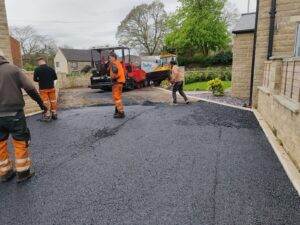
Most driveways we fit take between one and three days from start to finish. Compare that with block paving, which can drag on for over a week, and the appeal is obvious. You can usually walk on it within a day and park on it shortly after, so normal life resumes almost straight away.
Increases Property Value
Ask any estate agent what buyers notice first. It is the front of the house. A tired, cracked driveway suggests neglected everything else. A smart, seamless one does the opposite. It will not double your home’s value, but it shapes that crucial first impression and can nudge offers in the right direction when you sell.
Non-Slip Surface
Despite looking almost polished, the textured stone finish grips well underfoot. Wet leaves, icy mornings and muddy boots are all handled without drama. For anyone who has gone flying on slippery paving slabs in winter, this alone is worth considering.
Reduces Heat Build-Up
On a hot July afternoon, dark tarmac can feel like an oven and radiates warmth back at the house. Resin’s lighter aggregate reflects more of that sunlight, so the surface stays noticeably cooler. You will feel the difference walking to the car in bare feet.
Cons Of Resin Driveways
Now the honest part. Resin has real weaknesses, and ignoring them is how people end up with driveways that fail within a few years.
Crucial Base Preparation
Everything depends on what lies beneath. Resin is only as strong as the base it sits on, and a thin layer of fancy aggregate cannot fix soft ground, old cracks or a crumbling sub base. The surface will simply copy every flaw below it. Proper installers excavate, compact and rebuild where needed. Cowboy outfits skip this to hit a cheap price, and their driveways fail fast. If a quote seems too good, this is usually why.
Not Suitable For Heavy Vehicles
Family cars, fine. Regular visits from a heavy van, motorhome or small lorry, not fine. The surface will slowly indent under concentrated weight, especially on warm days when the resin softens slightly. If your driveway doubles as a worksite, resin is the wrong material for the job.
UV Stability Depends On Resin Type
This catches people out constantly. The cheaper aromatic resins yellow over time, especially in spots that catch the afternoon sun. What starts as a crisp silver grey slowly turns an odd custard colour. Quality aliphatic resins cost more but stay true to their colour for years. Always ask which resin type is being quoted before you agree to anything.
Difficult Repairs
Good news first: properly installed resin rarely needs repair. The bad news is that when it does, matching the patch to the original is tricky. Aggregate batches vary in tone, so repairs can be visible no matter how skilled the installer. Sometimes the only tidy fix is resurfacing a whole section or even the entire drive.
Poor Drainage On Some Options
Resin bound and resin bonded sound identical but behave completely differently. Resin bonded is scattered over a sealed surface and is largely non permeable, so water sits on top and puddles form. Only resin bound, mixed and trowelled as a permeable layer, drains properly. Many disappointing resin driveways are actually bonded systems sold as something better. Know exactly what you are buying.
Probability of Moss Growth and Staining
Shaded corners under trees or beside fences can develop a green film of moss and algae over time, particularly in damp parts of the country. Oil drips from older cars and hot tyre marks can also leave stains on lighter colours. None of this ruins the driveway, but it does mean reaching for the brush and cleaner now and then. Ignore it for three years and the surface will look tired.
Damaged Without Proper Maintenance
“Low maintenance” gets misread as “no maintenance”. A resin driveway still needs a sweep and an occasional wash to shift the grime and organic build up that slowly dulls the stone. Leave it completely alone and the colour fades, moss takes hold and the lifespan drops noticeably. Ten minutes a few times a year is all it takes, but those minutes matter.
Requires Expert Contractors
Resin does not forgive mistakes. The ratio of resin to aggregate, the temperature on the day, how quickly it is laid and the curing conditions all have to be right. An inexperienced crew can lay something that looks perfect on day one and starts crumbling within eighteen months. Check how long the company has been fitting resin specifically, look at recent local jobs and speak to previous customers before you hand over a deposit.
Higher Initial Cost
There is no way around it. A properly prepared, quality resin driveway costs more at the start than gravel, basic tarmac or plain concrete. If the budget is rock bottom, resin is not your answer. The case for it rests on the long game: decades of service, minimal upkeep and a finish that keeps adding value. If you can afford the upfront cost, the lifetime maths usually work in your favour.
If the numbers are the sticking point, our breakdown of how much resin bound surfacing costs explains where the money goes and what a fair quote looks like.
Is A Resin Driveway Right For Your Property?
The answer depends on your specific situation, not the general hype. Run through these points and see where you land:
- Your property’s style. Resin suits most homes, modern and period alike, but the colour and texture should sit comfortably with your brickwork and the character of the street.
- Your existing base. A solid, well compacted base keeps the project affordable. Weak or damaged ground means extra groundworks, and that cost needs factoring in from day one.
- Footfall and vehicle use. Everyday family cars are exactly what resin is built for. Regular heavy vehicles will wear it down faster than you would like.
- Drainage conditions. If your current drive floods or sends water pouring towards the house, a permeable resin bound system solves that properly, and the SUDs compliance is a welcome bonus.
- Local climate. Sunny, open plots keep resin looking its best. Heavily shaded, damp gardens will need a bit more cleaning attention over the years.
- Budget. Quality materials and honest installation work cost money upfront. They also protect you from the far bigger bills that come with repairs and early replacement.
- Maintenance mindset. The upkeep is minimal, about half an hour a few times a year, but it does need doing. If even that sounds like too much, adjust your expectations accordingly.
When most of these line up in resin’s favour, the surface delivers on its promises. When several point the other way, a different material will serve you better, and a good installer will tell you that straight.
Conclusion
Strip away the marketing and the picture is clear. Resin driveways look superb, drain properly, demand very little of you and can run for two decades without trouble. Their weaknesses, base preparation, the resin quality, installation skill and the upfront price, are all things you control at the choosing stage.
The pattern we see time and again is simple. Driveways that fail belong to whoever took shortcuts. Driveways that thrive belong to whoever picked a decent installer, paid for proper preparation and gave the surface an occasional wash. Do those three things and resin will reward you for years.
If you want a straight answer about your own property, the team at 1st Choice Surfacing is happy to give one. We will tell you honestly whether resin is right for your home, and if it is not, we will tell you that too.Get in touch for a free, no obligation quote and we can talk it through.