

Picking a driveway material shouldn’t feel like a minefield, but it often does. Every supplier will tell you their surface is the best one. Tarmac happens to be the most common choice across the UK, though that doesn’t automatically make it the right one for your home. This guide lays out the real pros and cons, what it costs, how much upkeep it needs and how it stacks up against the alternatives, so you’re not just taking someone’s word for it. We also work on larger commercial tarmac projects, so this is a surface we know well from every angle.
What is a Tarmac Driveway?
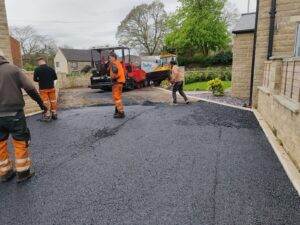
Tarmac, or tarmacadam if you want the full name, is a blend of crushed stone, sand and bitumen. It gets laid while hot and then compacted down into a firm, smooth surface. It’s worth remembering this is the same stuff that roads are made from, so it’s not exactly short on toughness.
For a driveway, you’ll usually get two layers: a base course underneath for strength, then a finer top layer that gives you that familiar smooth, dark finish. Once it’s rolled flat and left to cool, you’re left with a surface that shrugs off daily traffic from cars, bikes and foot traffic without much complaint.
Its popularity really comes down to one thing: it hits a decent middle ground between price, toughness and how fast it goes down. That said, no material is perfect and tarmac has its own set of compromises worth knowing about before you commit.
Pros of Tarmac Driveways
Affordable Compared to Other Materials
Cost is usually where tarmac wins people over. You’re typically looking at somewhere around £40 to £70 per square metre, though that varies depending on where you live, the size of the driveway and how much groundwork needs doing first. Either way, it tends to come in cheaper than block paving or resin, which matters if you want something durable without blowing the budget.
Excellent Durability and Strength
This is a material designed for motorways, so a home driveway is nowhere near its limit. Once it’s properly laid, it copes fine with everyday use, family cars, the odd van, even a delivery lorry now and then, without showing much wear for a long time.
Fast Installation and Quick Drive-On Time
Some driveway materials need days before you can so much as walk on them. Tarmac isn’t like that. Most driveways are safe to walk on within a day and you’re not usually waiting long after that before you can drive on it too, which is handy if you can’t afford to have your car stuck on the road for a week.
Low Maintenance Requirements
Tarmac isn’t fussy once it’s down. A sweep now and then, plus a reseal every few years, is generally enough to keep it looking decent. Compare that to gravel, which needs raking and topping up fairly regularly and tarmac starts to look like the lower-effort option.
Smooth, Sleek Finish
Part of why tarmac has stuck around for so long is simply that it looks good. The surface is smooth and even, giving driveways a tidy, uniform look that works whether your house is a new-build or something older and more traditional.
Weather and Water Resistant
The UK doesn’t exactly have predictable weather and tarmac holds up well against it. It’s naturally water-resistant, which stops water pooling on top and it copes reasonably well through both soggy winters and hot spells, assuming it was installed properly to begin with.
Eco-Friendly Options (Permeable/Recycled Tarmac)
Tarmac has shifted a fair bit from being seen as just a basic, functional surface. Permeable tarmac lets water drain through rather than sit on top and recycled tarmac, made from reclaimed asphalt, is becoming more common too. If sustainability is something you care about, it’s worth asking your installer what’s available.
Cons of Tarmac Driveways
Prone to Cracking and Potholes Over Time
Nothing lasts forever and tarmac will eventually show its age. Years of heavy use, or a driveway that wasn’t laid quite right in the first place, can lead to small cracks. Ignore them and water gets in, which especially after a cold snap can turn a small crack into a proper pothole.
Requires Correct Installation to Avoid Issues
Tarmac lives or dies by how well it’s put down. Skimped groundwork, thin layers, or rushed compaction are usually the root cause of early cracking or drainage problems. It’s genuinely one of those jobs where paying for a decent installer saves you money down the line, rather than going for whoever’s cheapest.
Can Soften in Extreme Heat
Bitumen is petroleum-based, so it can soften a touch in very hot weather. It’s rarely a big deal here given the UK climate, but on a scorching day the surface can be a bit more prone to dents, from a caravan jack, say, or a stiletto heel.
Needs Periodic Sealing
Low maintenance doesn’t mean no maintenance. To keep tarmac performing well and looking sharp, it usually needs resealing every few years. It protects against UV damage, stops water getting in and generally slows down wear.
Limited Design and Colour Customisation
If you want something with a bit more personality, patterned, colourful, textured, tarmac probably isn’t it. It’s mostly black or dark grey and your options are far more limited than with block paving or resin, both of which come in a huge range of colours and patterns.
Prone to Staining from Oil and Petrol
Oil, petrol and other fluids can soak into tarmac and leave a visible mark if they’re not cleaned up quickly. Worth bearing in mind if you’re parking an older car on the drive or doing any DIY maintenance at home.
Poor Drainage Unless Permeable Tarmac is Used
Standard tarmac doesn’t let water through, so it tends to run off rather than soak in. Depending on how your driveway slopes and what drainage you’ve got nearby, that can occasionally cause pooling or runoff problems. Permeable tarmac, which we cover a bit further down, usually solves this if drainage is something you’re worried about.
Tarmac vs Other Driveway Materials
Tarmac vs Concrete
Concrete generally outlasts tarmac and gives you more finish options, stamped or coloured concrete, for instance. It costs more to install though and tends to crack visibly over time in a way that’s harder to hide than a tarmac repair.
Tarmac vs Asphalt
People often use tarmac and asphalt as if they’re the same thing, but there are small differences in how each is made and laid. Asphalt is slightly more flexible and holds up a touch better against cracking in colder conditions, while tarmac is usually quicker and simpler to install for a home driveway.
Tarmac vs Block Paving
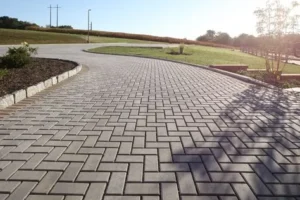
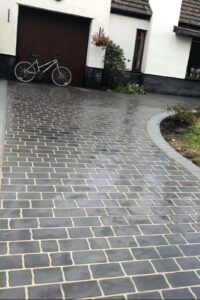
Block paving is the clear winner on looks, with far more colours, patterns and layout options. It’s pricier though and needs more upkeep, weeding between the blocks, occasional re-sanding, that sort of thing. If looks aren’t your top priority, tarmac is the cheaper, easier-to-live-with option.
Tarmac vs Resin
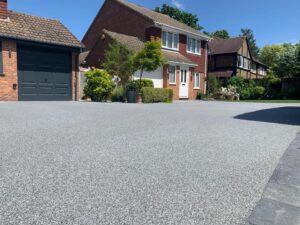
Resin gives you a modern, decorative finish and drains well, but it comes at a higher price and is less forgiving if the installation isn’t up to scratch. Tarmac remains the more practical choice if you want durability without paying a premium for it.
Permeable Tarmac Driveways
If you like the idea of something a bit more eco-conscious that can still handle the UK’s weather, permeable tarmac is worth a look. Unlike the standard version, it lets rainwater drain straight through into the ground rather than sitting on top, which cuts down flood risk and is better for the environment. It also helps water make its way back into the ground naturally instead of all going down the drain.
Planning Permission and Costs
Generally speaking, you’ll need planning permission if your driveway is over 5 square metres, uses non-permeable materials and drains towards a public road. Permeable tarmac is usually exempt from this rule, which is a big part of its appeal for people who’d rather not deal with the paperwork.
It’s a bit pricier upfront than regular tarmac and the surface can clog over time, so it needs the odd clear-out to keep draining properly. Even so, for most homeowners the lower flood risk and simpler planning process make it worth the extra cost.
How to Maximise the Lifespan of Your Tarmac Driveway
Proper Installation Practices
How long your driveway lasts really comes down to how it was installed in the first place. Solid sub-base prep, the right layer thickness and thorough compaction are what separate a driveway that lasts two decades from one that’s cracking within a few years. It really is worth going with an installer who has a track record, rather than just picking the cheapest quote.
Regular Maintenance and Sealing
A bit of upkeep goes a long way here. Clearing away debris, dealing with standing water and resealing every so often all help protect the surface from wear and the weather. It doesn’t take much time and it pays off over the life of the driveway.
Dealing with Cracks Early
A small crack is far cheaper and easier to sort than a pothole. Catching damage early stops water getting underneath the surface, which is usually what turns a minor issue into a proper structural one, particularly once winter’s freeze-thaw cycles get involved.
Is a Tarmac Driveway Right for You?
If you want something durable and low-maintenance without spending a fortune and you’re not too bothered about intricate patterns or bold colours, tarmac is likely to suit you well. It’s a reliable, hard-wearing option that’s ready to use quickly and doesn’t demand much of your time afterwards.
If design and a decorative finish matter more to you than price, it might be worth looking at block paving or resin instead. But for straightforward, dependable performance, tarmac is still one of the most trusted choices out there and one we lay regularly for homes up and down the country.
Frequently Asked Questions
How long does a tarmac driveway last?
With decent installation and a bit of regular maintenance, you’re generally looking at 15 to 20 years before it needs resurfacing.
Does a tarmac driveway need planning permission?
It depends. If it’s non-permeable, over 5 square metres and drains towards a public road, you’ll usually need permission. Permeable tarmac is normally exempt.
Can you repair a tarmac driveway yourself?
Small cracks and minor potholes can sometimes be patched with a DIY kit, but for anything more serious, or a lasting fix, it’s best to bring in a professional.
Is tarmac cheaper than block paving?
Yes, usually. Tarmac tends to cost less both in materials and labour, though block paving gives you far more choice when it comes to design.
Conclusion
Tarmac has stuck around as one of the UK’s go-to driveway materials for good reason. It’s durable, reasonably priced, quick to lay and doesn’t ask much of you once it’s down. It’s not without its downsides, particularly if you want more design flexibility and getting the installation right really does matter, but for most homeowners the pros outweigh the cons by a fair margin.
If you’re still weighing up your options and want advice specific to your property, our team at 1st Choice Surfacing is happy to talk you through what makes sense for your driveway, your budget and your timeline.